

A clear, honest guide to microblading removal, eyebrow tattoo removal and permanent makeup removal . We compare saline, laser and non-laser magnetic options so you can decide how to remove unwanted tattoo ink.

Most of us have made a decision we later regret. For a growing number of people, that decision involves permanent ink. Maybe your microblading healed darker or wider than expected. Perhaps an eyebrow shape no longer suits you. Some people see lips that turned the wrong tone. Others have a body tattoo tied to a chapter they’d rather close. Whether you’re searching for microblading removal, eyebrow tattoo removal or permanent makeup removal, you will find plenty of “miracle” fixes. Moreover, these include acidic and alkaline solutions, saline removal, lasers, and risky “do-it-at-home” methods.
The reality is more measured. Laboratories have spent decades and millions developing lasers. Yet even the most advanced devices struggle with certain ink colours and skin types. In addition, they can also leave the skin altered. Before you spend money or risk your skin, understand what actually works. Learn what to avoid, too.
If your microblading is very recent (2–5 days)
If you had the procedure only a few days ago, your options are limited. As a result, this is the moment to be cautious rather than aggressive. For example, harsh exfoliation, salt, lemon, sugar scrubs or any abrasive action can cause real damage. Therefore, sensitive skin can respond to repeated irritation with hypertrophic or keloid scarring. Also, that scarring is far harder to correct than the original tattoo.
If you already regret very recent work, speak with a qualified technician first. Do not touch the area before then. In fact, gentle cleansing and keeping the skin moisturised while it settles is sensible; deliberately damaging the skin is not. Likewise, give redness time to calm — usually around ten days — before assessing your removal options properly.
If your tattoo is older — a week to several years
Tattoo and PMU pigment travels quickly into the deeper layers of the skin. Within about a week, the dermal matrix is already saturated with ink. At that point, showering and exfoliation fade the surface very slightly at best. Finally, they do not remove the pigment in any meaningful way. Removing microblading or a tattoo at this stage needs a professional method. However, the three you’ll encounter most are saline and at-home products, laser, and magnetic (non-laser) removal.
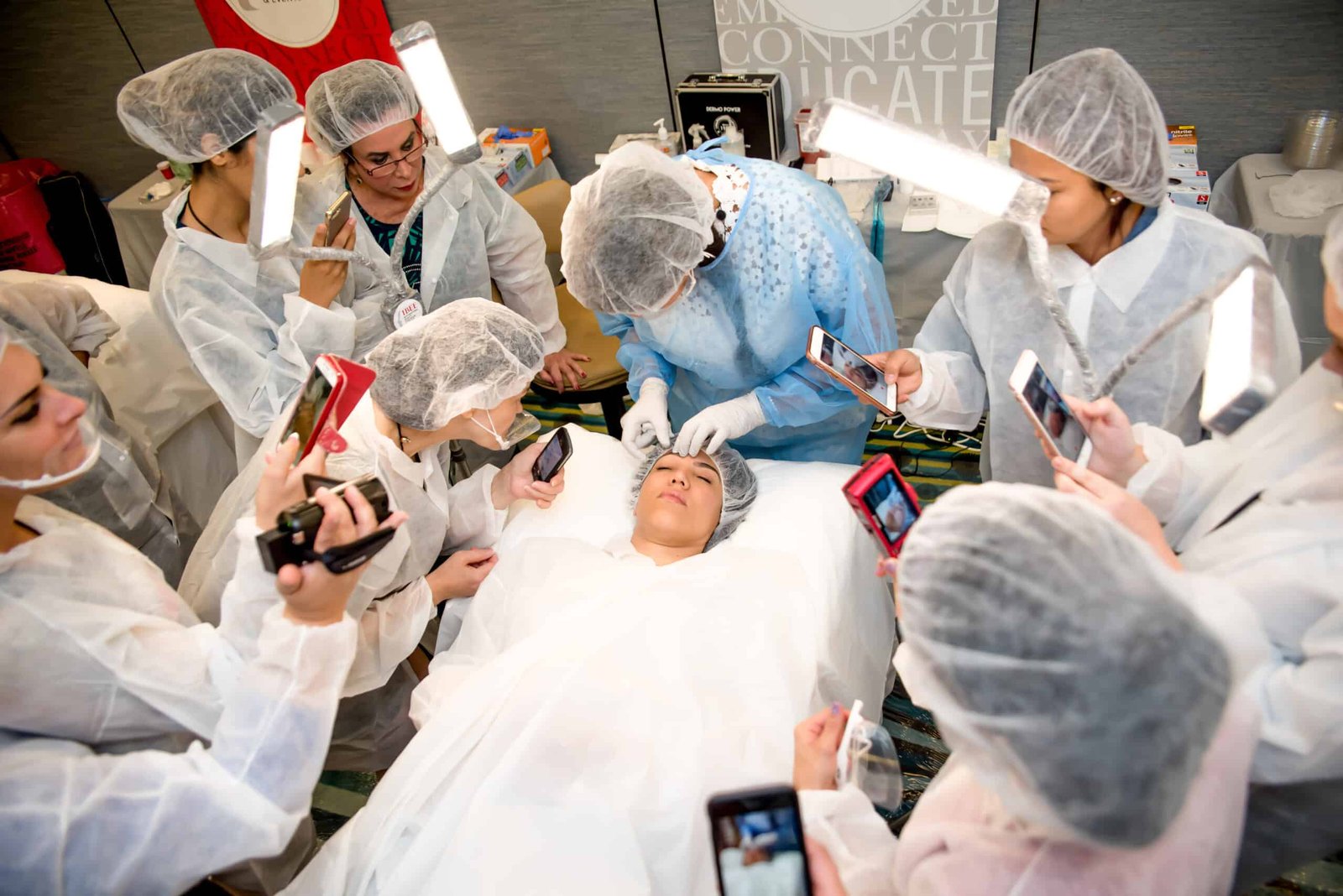
Saline & at-home methods
Shops sell saline tattoo removal, acid and abrasion kits for microblading removal at home. However, they carry a high risk of burns, infection and scarring, often with disappointing fading. Moreover, the skin is delicate; these methods are best left to a professional.
Laser removal
A well-established route — laser microblading removal and laser eyebrow tattoo removal typically need several sessions; body tattoos often more. In addition, results depend on ink colour, skin type and the device used. As a result, it can be painful, and certain pigments respond poorly. In some cases, it risks pigment change or scarring.
Magnetic Tattoo Removal
Linda Paradis, a practitioner, clinical trainer and international examiner, developed Magnetic Tattoo Removal. For example, it is a non-laser, non-invasive approach to remove unwanted tattoo pigment, including PMU and body tattoos. Therefore, it uses fine magnetic needles to work with the skin rather than burning through it. Also, that is why it has become a respected option in the professional removal industry.
Because the method uses no laser, no acid and no TCA solution, it avoids the burn and scar risks of ablative techniques. Linda Paradis developed it to work across a broad range of skin tones and ink colours. In fact, individual results vary, and treatment is always tailored to the tattoo’s age, colour, depth and the client’s skin.
Saline removal vs magnetic removal
Saline removal is one of the most searched non-laser options for microblading and eyebrow tattoos. Likewise, it works by implanting a saline solution to lift pigment over repeated sessions. Finally, many people ask whether saline tattoo removal is safe. Done well, it can fade pigment. However, it reopens the skin each session, which carries an infection and scarring risk. However, results can also be slow and uneven. Magnetic Tattoo Removal is a non-laser alternative that lifts pigment without the open-wound approach of saline. Practitioners tailor each session to the area they treat.
How Magnetic Tattoo Removal works
Linda Paradis created Magnetic Tattoo Removal as a deliberate alternative to the unselective tissue damage that surgical excision and laser methods can cause. Moreover, rather than relying on a high-energy beam, the technique uses controlled, magnetically-guided needle work. In addition, this gently processes the area and encourages pigment and impurities to lift from the skin over a course of treatment.
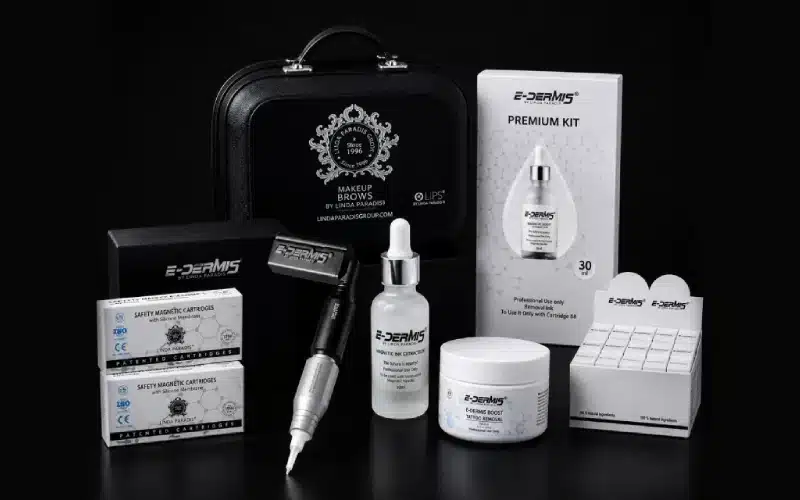
The system relies on professional tooling: an E-Dermis handpiece, magnetic cartridges and needle configurations, purifying cleanser pads and a dedicated aftercare protocol. As a result, the number of sessions depends on the individual tattoo. Because the approach is non-ablative, many clients find it gentler than laser. For example, the treatment plan matches their skin rather than a one-size-fits-all setting.
Why practitioners and clients choose Magnetic Tattoo Removal
How to remove unwanted tattoo ink: what can be treated
Practitioners use the method for microblading and eyebrow tattoo removal. Also, they also use it for permanent makeup removal (lip blush and full-lip PMU, eyeliner and eyeshadow PMU), scalp micro-pigmentation (SMP), and body tattoos. In fact, suitability is always assessed individually before treatment begins.
Frequently asked questions
Can you remove microblading?
Yes. Microblading removal is possible through saline, laser or non-laser magnetic methods. Likewise, the right approach depends on how old the work is, the pigment used and your skin. Finally, that is why an assessment comes first.
How do I remove microblading or an eyebrow tattoo?
To remove unwanted tattoo work older than a few days, professional removal is the realistic route. Your options are saline, laser, or a non-laser magnetic method. However, attempting to remove microblading at home with salt or acid risks scarring and is best avoided.
Is saline tattoo removal safe?
Saline removal can fade pigment. However, it reopens the skin each session, so it carries infection and scarring risk. Moreover, results can also be uneven. Only a trained professional should do it. See the FDA tattoo fact sheet for safety information.
How much does eyebrow tattoo removal cost?
Cost varies by method, location and the number of sessions needed. In addition, most clinics price laser and saline per session, so the total depends on how the pigment responds. A consultation gives you an accurate estimate before you commit.
Is magnetic removal painful, and how many sessions will I need?
Most clients describe non-laser magnetic removal as more comfortable than laser, as there’s no high-energy beam. As a result, session numbers depend on the age, colour, depth and density of the ink and your skin. Your practitioner builds a plan after assessing the area.
Can it remove fresh microblading?
Very recent work is usually best left to settle first. Speak with a qualified technician before treating freshly tattooed skin. Another option worth reading: one promising way to deal with tattoo regret.

Become a certified Magnetic Tattoo Removal practitioner
Train directly in the patented Magnetic Tattoo Removal protocol with Linda Paradis Group. Then add a non-laser removal service to your practice.
Explore the Training