

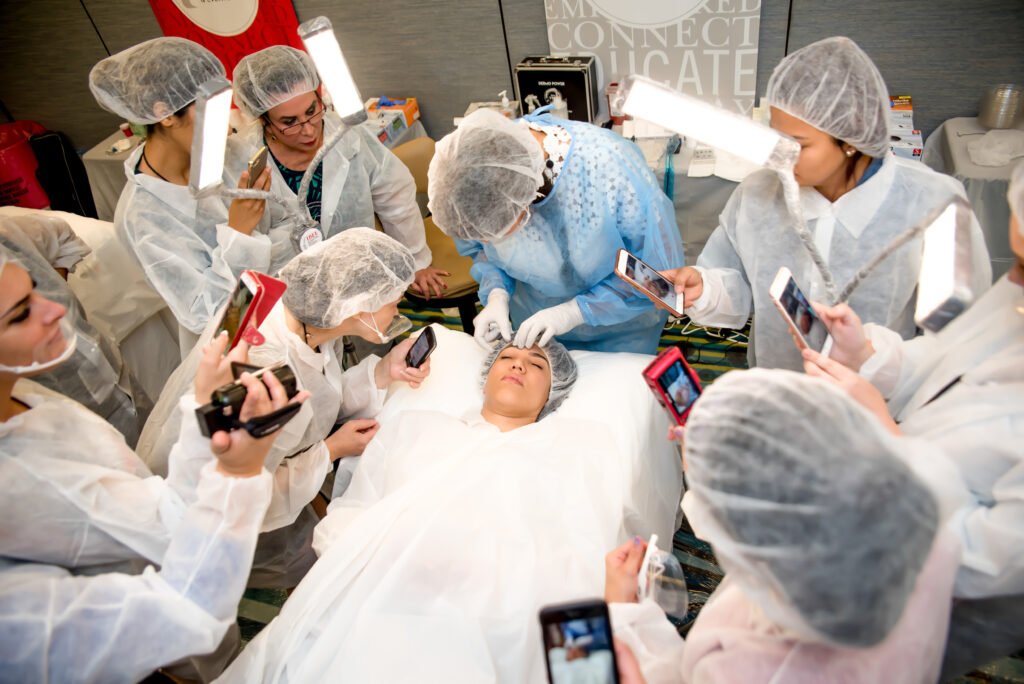
 In short, tattoo removal is not only about eliminating pigment — it is a controlled skin recovery process. Therefore, understanding the tattoo removal healing process is essential for achieving safe, consistent, and professional results.
Moreover, with the evolution of modern techniques such as Magnetic Tattoo Removal, the healing process can follow a more controlled and surface-focused pathway compared to traditional approaches.
In short, tattoo removal is not only about eliminating pigment — it is a controlled skin recovery process. Therefore, understanding the tattoo removal healing process is essential for achieving safe, consistent, and professional results.
Moreover, with the evolution of modern techniques such as Magnetic Tattoo Removal, the healing process can follow a more controlled and surface-focused pathway compared to traditional approaches.
What Is the Tattoo Removal Healing Process on the Skin?
First, after each session, the skin initiates a natural repair cycle while gradually releasing and ink particles out from the skin.
In general, the healing timeline depends on:
- Skin type and sensitivity
- Pigment depth and composition
- Previous technique used
- Post-treatment care
In addition, with Magnetic Tattoo Removal, the protocol works at a superficial level, which plays a role in how the skin responds during healing.
Stage 1: Immediate Response in the Tattoo Removal Healing Process
Immediately after the procedure, the treated area may show:
- Mild redness
- Light sensitivity
- Slight warmth
Generally, this is a normal physiological response as the skin begins its repair process.
👉 Likewise, in Magnetic Tattoo Removal, the approach is controlled at the surface level, avoiding aggressive tissue disruption, which can influence the intensity of this stage.
Stage 2: Surface Stabilization
Meanwhile, during this phase:
- The skin may develop light dryness
- A protective barrier forms
- Pigment may begin appearing closer to the surface
⚠️ Therefore, it is essential not to pick or disturb the area, as this can affect healing quality.
Stage 3: Regeneration Phase of the Healing Process
Finally, at this stage:
- Skin cells renew progressively
- The treated area regains a more uniform texture
- The skin continues to release pigment gradually
As a result, visible improvement becomes more noticeable during this period.
Stage 4: Recovery & Skin Normalization
- Skin tone begins to even out
- Residual pigment fades progressively
- The area prepares for the next session if needed
In general, typical intervals between sessions:
- Eyebrows / PMU: 2–3 weeks
- Lips: 2–3 weeks
- Body tattoos: 4–5 weeks
Why the Tattoo Removal Healing Process Differs with Magnetic Tattoo Removal
In fact, Magnetic Tattoo Removal works as a non-invasive, surface-oriented technique using a patented noninvasive magnetic needles, Edermis ink extractor and tattoo removal product.
Consequently, this means:
- The interaction is controlled at the epidermal level
- There is no deep thermal fragmentation of pigment
- The focus is on gradual extraction ink particles
As a result, people often describe the healing process as more progressive and manageable, depending on correct protocol application.
Key Factors That Influence Tattoo Removal Healing Process Outcomes
1. Aftercare Compliance
For example, proper aftercare supports optimal healing:
- Keep the area clean and protected
- Avoid sun exposure
- Follow professional guidance strictly
2. Protocol Precision
The practitioner must perform the technique with:
- Controlled movement
- Correct pressure and passes
- Respect for skin integrity
3. Practitioner Training
In addition, professional training ensures:
- Safe execution of the protocol
- Proper assessment of skin and pigment
- Reduced risk of complications
Common Mistakes That Can Delay the Tattoo Removal Healing Process
Overall, to protect results, avoid:
- Picking or scratching the treated area
- Excessive moisture or sweating
- Using non-recommended products
- Performing sessions too frequently
Is the Tattoo Removal Healing Process Painful?
Overall, most individuals report:
- Mild discomfort
- Temporary sensitivity
However, the experience varies depending on the individual and the technique used.
Final Thoughts on the Tattoo Removal Healing Process
In conclusion, the tattoo removal healing process is a crucial part of achieving safe and consistent results. With techniques like Magnetic Tattoo Removal, the focus is on controlled, surface-level interaction and progressive pigment release.
Ultimately, understanding each healing stage allows both professionals and clients to approach the procedure with realistic expectations and better outcomes. We also summarised the research on health effects of tattoos and body piercing. For daily care between sessions, see the E-Dermis aftercare tube.
For background on safety, read the FDA guidance on tattoos and permanent makeup.