Effective Methods for Eyebrow Tattoo Removal
Eyebrow tattoos can be a great way to enhance your look. But what happens when they no longer suit your style? Many people consider eyebrow tattoo removal. This process can help you regain a more natural appearance. There are several methods available for removing eyebrow tattoos. Each method has its own benefits and drawbacks. Choosing the right method depends on your specific needs and circumstances. It’s important to understand the options before making a decision.
In this guide, we’ll explore effective methods for eyebrow tattoo removal. We’ll help you make an informed choice for your brows.
Understanding Eyebrow Tattoos and Microblading
Eyebrow tattoos are a form of permanent makeup designed to enhance facial features. They involve placing pigment into the skin to create the appearance of fuller brows.
Microblading is a popular technique within this category. It’s a semi-permanent method that uses a manual tool to create hair-like strokes.
These treatments can offer a polished look, making daily makeup routines quicker. However, they aren’t without drawbacks.
Over time, tattooed brows may fade, shift in tone, or blur. When that happens, removal becomes the most direct path to better brows.
Here are key aspects of eyebrow tattoos and microblading:
Permanency: Tattoos are more lasting, while microblading fades faster.
Appearance: Microblading can look more natural.
Maintenance: Both require touch-ups over time.
Each individual’s skin type and lifestyle can affect the longevity of the results.

Why People Seek Eyebrow Tattoo Removal
People seek removal for many reasons: trends change, faces change, and what looked great at one moment can feel too strong later.
Others want removal because the original work healed unevenly, the undertone isn’t flattering, or the shape no longer aligns with their natural brow structure.
Here are some common motivations for removal:
- Aesthetic dissatisfaction
- Fading, blurring, or color shift
- Over-saturation from repeated touch-ups
- Preparing for a correction or rework
- Returning to a natural look
Professional Eyebrow Tattoo Removal Methods
Key methods include:
- Laser tattoo removal
- Saline tattoo removal
- Magnetic tattoo removal
- Other advanced techniques
Why magnetic tattoo removal stands out vs. other methods
- No heat-based energy: Unlike laser, magnetic removal doesn’t depend on thermal energy, which many clients prefer for the brow area.
- Designed for cosmetic pigments: Microblading and PMU inks can behave differently than body tattoo inks. Magnetic protocols are commonly chosen specifically for cosmetic tattoo pigment behavior.
- More controlled lightening: For clients who want to lighten enough for a correction (rather than chase a one-step erase), magnetic removal is built around gradual, targeted change.
- Often a better fit for correction work: When your end goal is a new brow design, magnetic removal can create a cleaner canvas for artists to work with.
What you can expect: A consultation, a tailored plan based on pigment type and saturation, and a step-by-step approach that prioritizes skin integrity and consistent fading.
Choosing a provider matters: Magnetic tattoo removal can refer to different proprietary systems. If you’re searching for microblading removal near me, look for a provider trained in the specific magnetic method being offered, and review healed results on brows similar to yours.
How Magnetic Tattoo Removal Compares to Laser and Saline
Laser and saline removal are widely known, and they can be effective in the right hands and the right cases. But for eyebrows and microblading specifically, many clients prefer magnetic removal because it avoids common trade-offs seen with other techniques.
Laser tattoo removal uses focused light to break pigment into smaller particles. While it can be effective, brows are a uniquely sensitive area, and cosmetic pigments can respond unpredictably.
Common concerns for brow clients include:
- Heat-based irritation in delicate skin
- Unpredictable color changes with certain cosmetic inks
- Potential impact on brow hairs depending on settings and technique
Laser can still be an option for some eyebrow tattoo removal cases, but it isn’t the best choice for microblading and PMU pigments.
Saline tattoo removal for eyebrows (why many clients move on from it)
Saline removal uses a solution to help lift pigment to the surface as the skin heals. It’s a non-laser approach and can be useful, especially for specific ink types.
However, saline removal is often associated with:
- More visible surface healing (scabbing is a normal part of many saline protocols)
- Less precision for certain brow patterns, depending on pigment depth and saturation
- Variable fading when pigment is deeply or repeatedly implanted
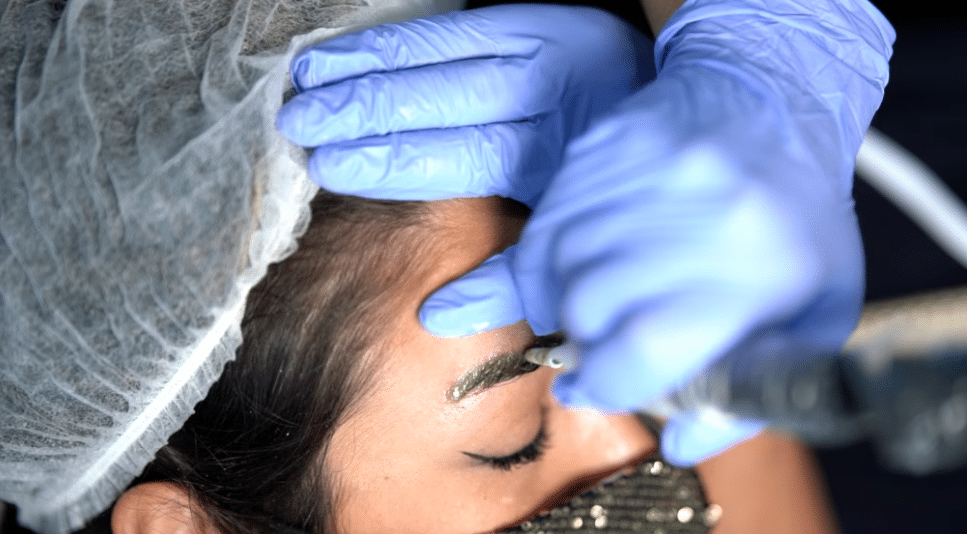
For clients prioritizing comfort, controlled fading, and brow-specific pigment behavior, magnetic tattoo removal is often the more attractive first-line approach.
At-Home Eyebrow Tattoo Removal: Risks and Realities
At-home eyebrow tattoo removal might seem appealing due to convenience and cost. But DIY approaches can irritate the skin barrier, worsen discoloration, and increase the risk of scarring or infection.
Common at-home approaches include:
- Using abrasive exfoliants
- Applying fading creams
- Natural remedies like lemon juice
If your goal is safe, even fading that preserves your skin and brow area, professional removal is the smart path.
What to Expect During the Removal Process
Most removal journeys begin with a consultation. Your provider evaluates your skin, pigment color, saturation, and placement depth, then recommends a plan.
Session length varies, but brow treatments are typically short. You’ll also receive aftercare instructions to support calm healing and consistent results.
Pain, Healing, and Aftercare
Discomfort varies by person and method. The brow area is sensitive, so aftercare is not optional; it’s part of the result.
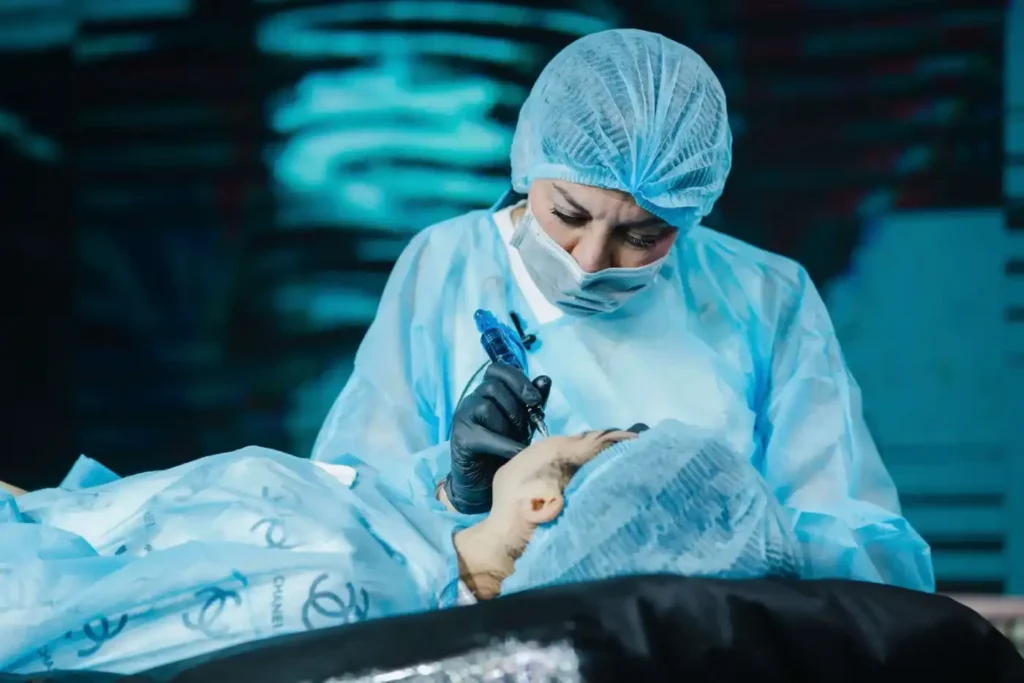
Key aftercare steps often include:
- Avoiding sun exposure
- Keeping the area clean
- Using only the products your provider recommends
How Many Sessions Are Needed?
The number of sessions depends on pigment type, saturation, placement depth, skin characteristics, and how many previous touch-ups were done. Brow removal is typically a process, not an event.
During your consultation, a qualified provider should give you a realistic range and explain what would change the timeline (for example, heavy saturation or multiple layers of pigment).
Costs of Eyebrow Tattoo Removal
Pricing varies by method, provider experience, and geography. Many clinics price per session, while others offer packages depending on the plan.
For the most accurate estimate, schedule a consultation and ask what’s included (assessment, aftercare, touch-up policies, and expected number of sessions).
Choosing the Right Specialist: What to Look For
Results depend heavily on the provider. When searching for microblading removal near me, look for real, healed before-and-after photos, clear aftercare guidance, and a method that matches your pigment type and skin needs.
Key considerations include:
- Certification and training
- Specific experience with eyebrow tattoo removal
- Healed results (not just fresh photos)
Frequently Asked Questions About Eyebrow Tattoo Removal
Is magnetic tattoo removal better than laser for eyebrows? For many brow clients, yes. Magnetic tattoo removal is often preferred because it avoids heat-based energy and is designed around cosmetic pigment behavior, which can make it a better first-line method for microblading removal and PMU brows.
Is eyebrow tattoo removal painful? Most people report mild to moderate discomfort, and providers commonly use strategies to improve comfort during treatment.
How long does the removal process take? It varies. Most clients need multiple sessions with time in between for full healing.
Conclusion: If You Want the Best Path to Cleaner Brows, Start with Magnetic Removal
If you want the most brow-specific, controlled approach to eyebrow tattoo removal and microblading removal, magnetic tattoo removal is our top recommendation. It’s built for progressive lightening without heat-based energy, and it can create the clean foundation you need for either a natural look or a beautifully redesigned brow.
Because the method is FDA Regulated, Non-Invasive, and built on Patented technology, it’s designed to support calm, predictable fading and scar-free healing when performed correctly and aftercare is followed.
Book a consultation to confirm candidacy, set expectations, and get a personalized plan for your pigment and skin.