

Tattoo removal has a trust problem. Search "tattoo removal risks" and you'll find pages of warnings before you find a single explanation of why those risks exist in the first place. That gap between fear and understanding is where most bad outcomes are decided — usually before a client ever sits in a treatment chair.
The majority of tattoo removal mistakes aren't caused by bad luck. They're caused by missing information — about the skin, the ink, the technique, and the provider holding the device. Below are the mistakes that show up most often, why they happen, and what a properly trained provider does differently.
Choosing a Provider Before Understanding the Technique
Most people research tattoo removal by price, not by method — backwards, since the technique determines the risk profile long before the provider's skill does. Laser removal works by shattering ink particles with concentrated heat, which the body then clears through the lymphatic system. That heat is also what drives most documented side effects of tattoo removal: hypopigmentation, blistering, and — in darker or more sensitive skin tones — a real risk of scarring.
Assuming "Success Rate" Is a Single Number
Providers often quote a general tattoo removal success rate without qualifying it by ink type, ink depth, or skin tone. A treatment that clears black ink from fair skin in eight sessions may need double that for colored ink in deeper skin tones — and each additional heat-based session compounds cumulative skin stress. Improving results isn't about pushing more sessions; it's about matching the technique to the ink from the start.
Underestimating Why It Hurts — and What That Signals
Clients ask why does tattoo removal hurt as if pain were incidental. It isn't. With laser methods, pain correlates directly with the thermal damage required to reach the ink — the same mechanism behind the risks above. A technique that doesn't need to burn through the skin starts from a fundamentally lower risk baseline.
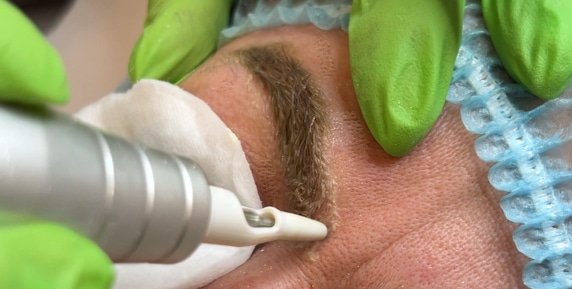
Magnetic Tattoo Removal is a patented, non-laser, non-invasive protocol that draws ink out through magnetic extraction rather than thermal destruction — developed specifically to close this gap between effective and safe.
Not Asking Directly: Does It Leave a Scar?
One of the most searched, least honestly answered questions in the category. The honest answer: it depends entirely on method and execution, not on tattoo removal as a category. Aggressive heat, poor aftercare, or over-treating unhealed skin are the primary drivers of scarring — not ink removal itself. Safe tattoo removal practices treat scarring as preventable, not as a fixed cost.
Treating Aftercare as an Afterthought
Tattoo removal care doesn't end when the session does. Sun exposure too early, picking at healing skin, or inadequate hydration turns a low-risk procedure into a high-risk one — regardless of technique. A credentialed provider treats aftercare as part of the protocol, not an optional handout.
Choosing "Fast" Over Correctly Sequenced
Ink needs time to clear the lymphatic system between sessions. Rushing to "get it over with" is one of the most reliable ways to prevent tattoo removal damage from becoming actual damage — compressed timelines stack inflammation, the skin barrier doesn't recover, and results plateau or reverse.
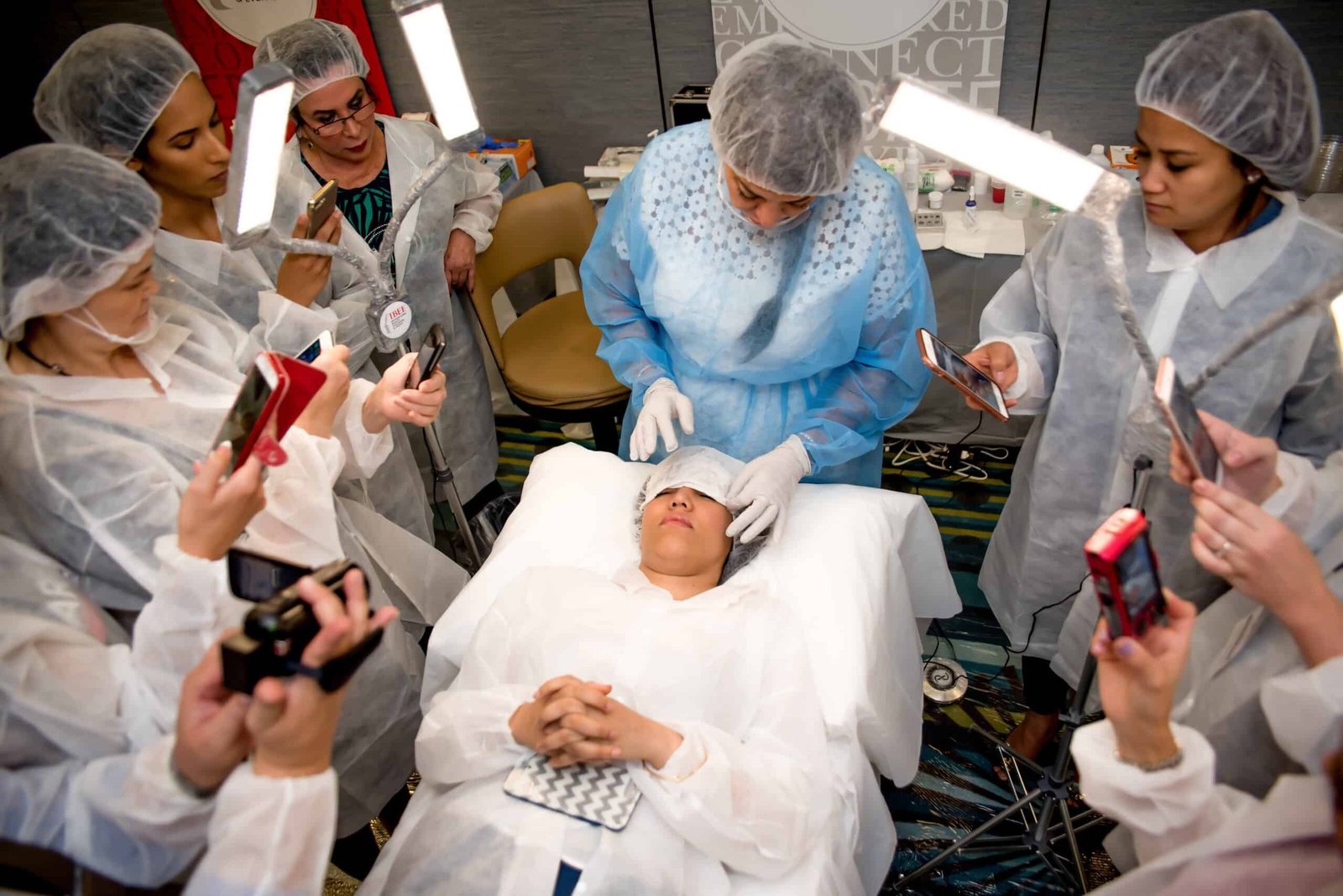
Every mistake above traces back to the same root cause: a gap between what the provider was taught and what the skin actually needs. Clients researching tattoo removal risks deserve providers who can explain why a technique is safe — not just assert that it is.
Trained to explain the "why," not just operate the device.
Explore Magnetic Tattoo Removal certification for tattoo, PMU, and scalp micropigmentation removal.
Explore Magnetic Tattoo Removal Certification